 |
 |
 |
 |
 |
 |
 |
GO TO MENU' |
 |
PATTAYA CITY
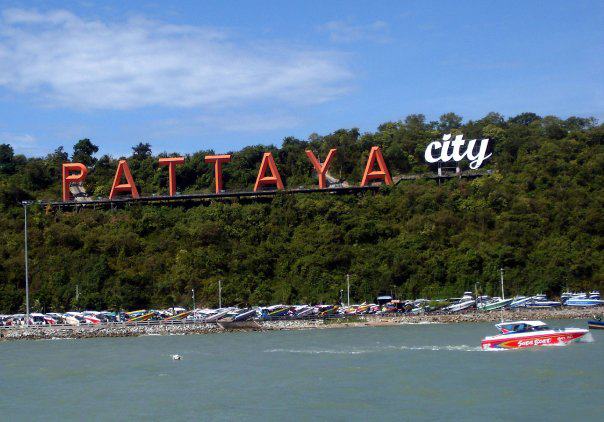
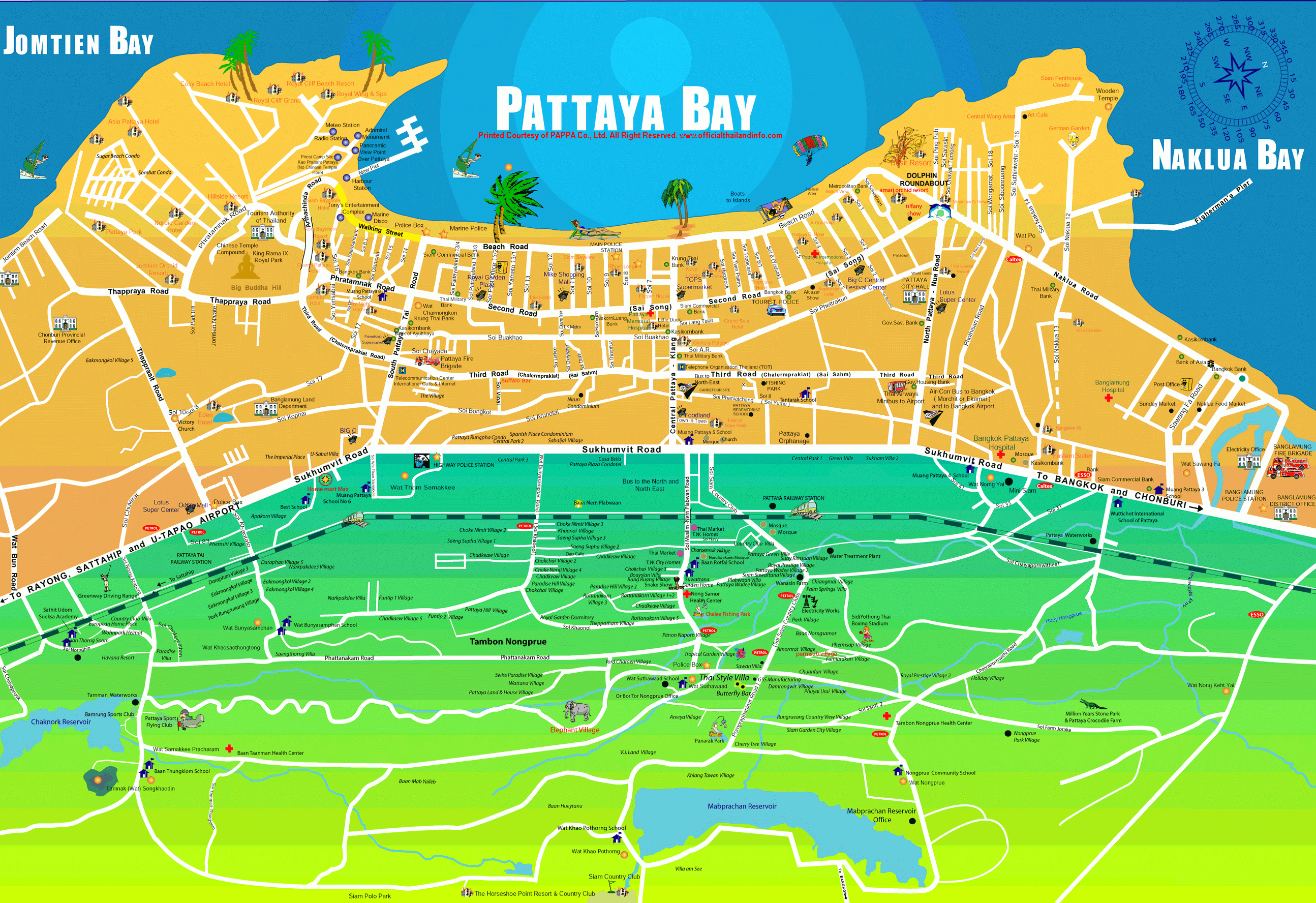
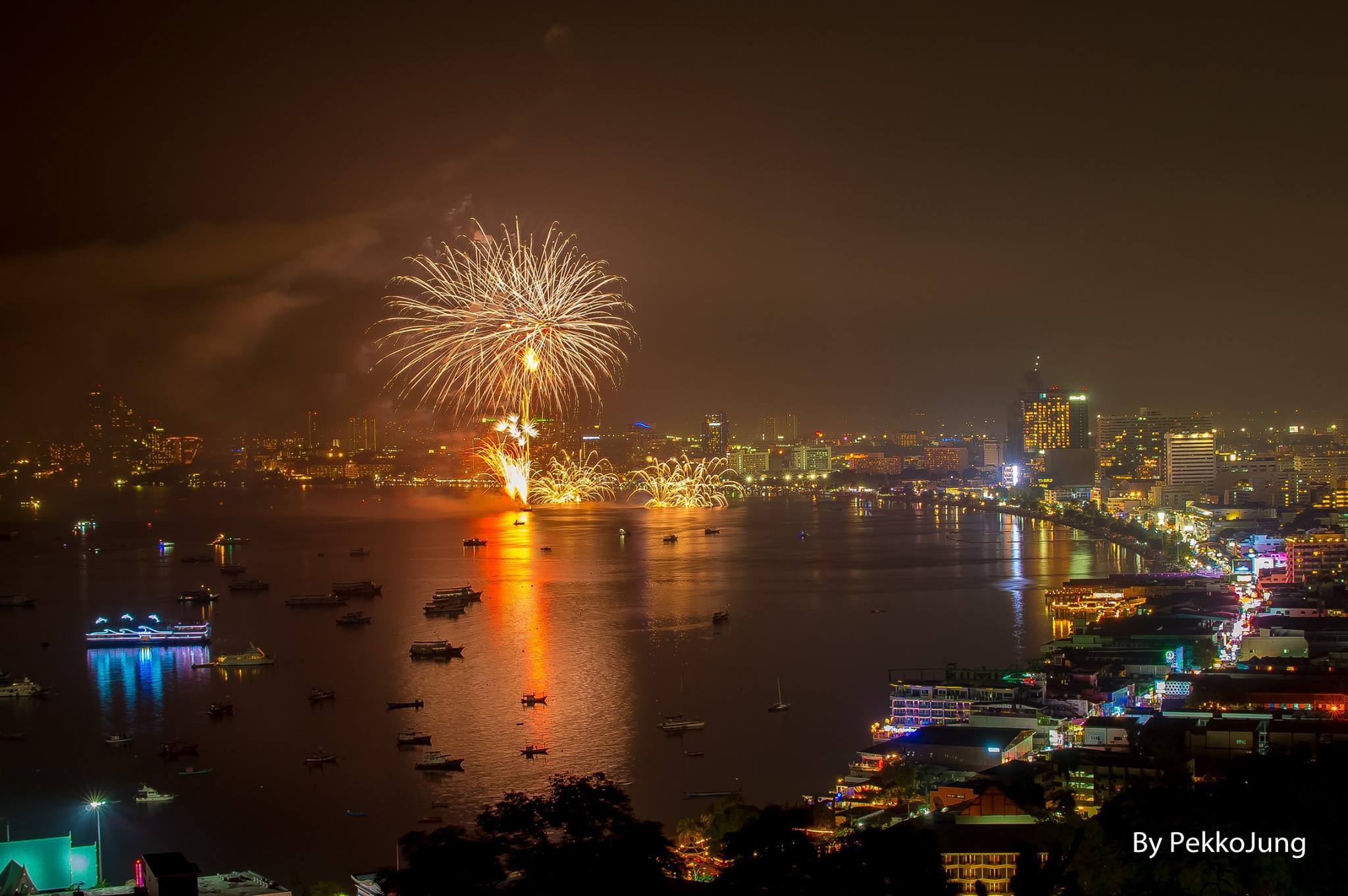
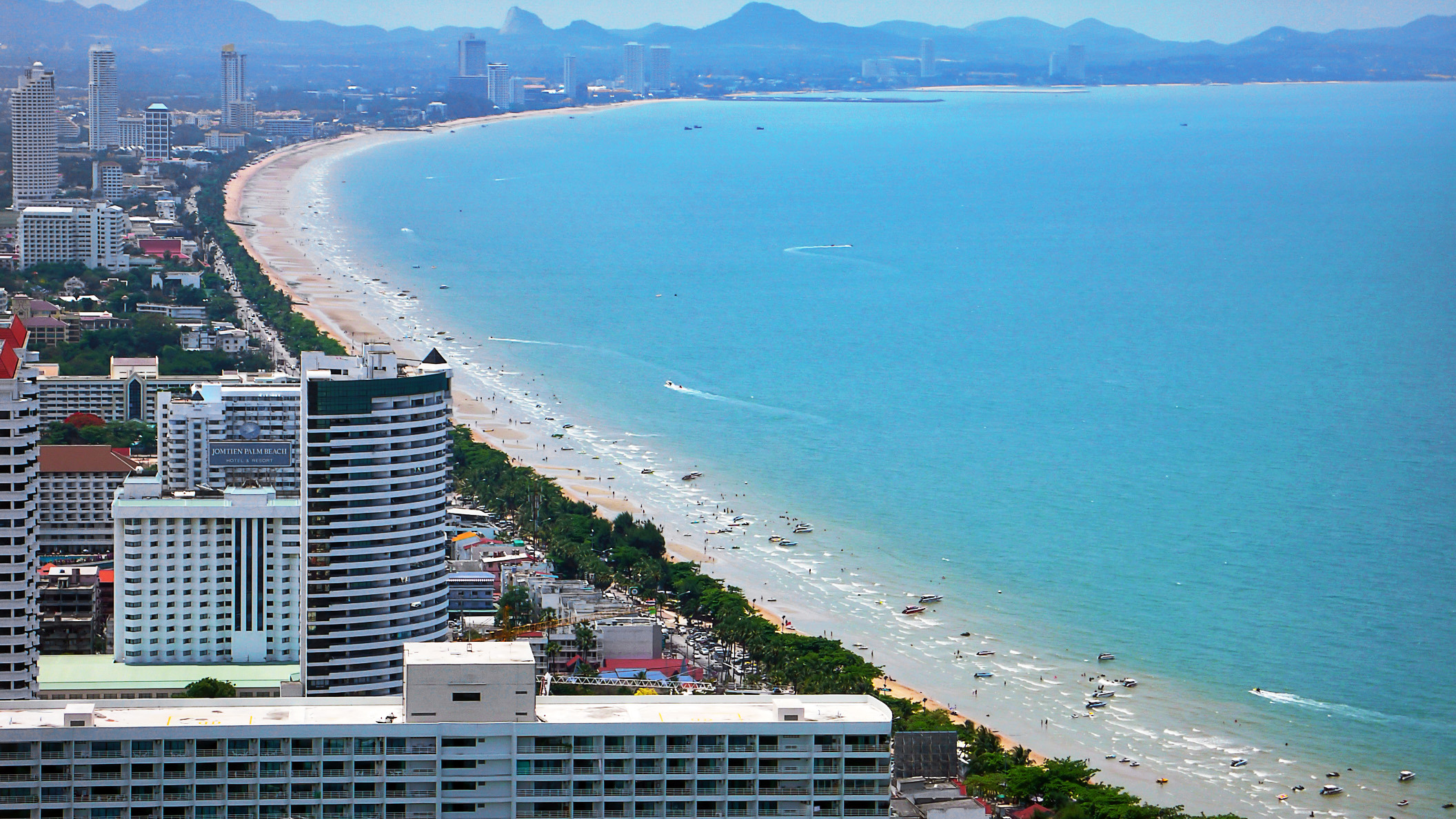
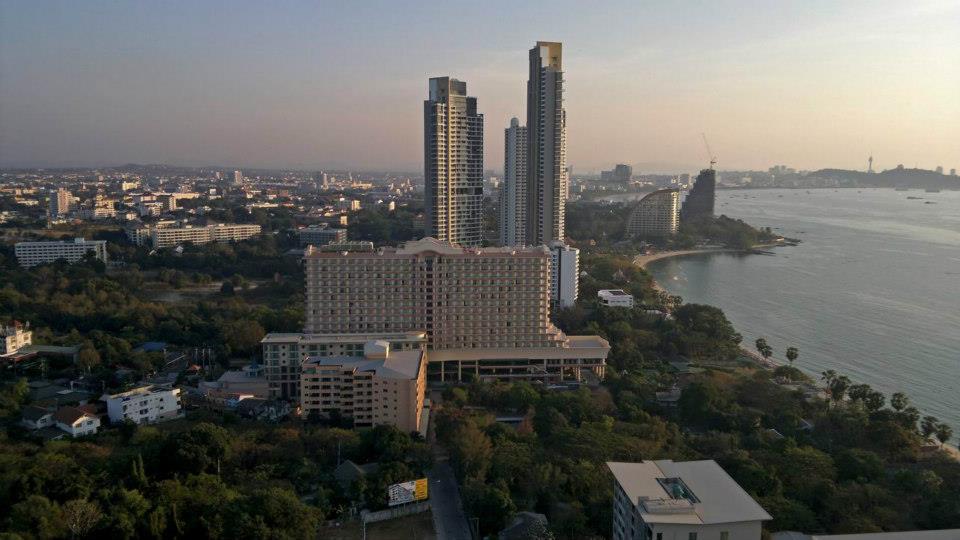
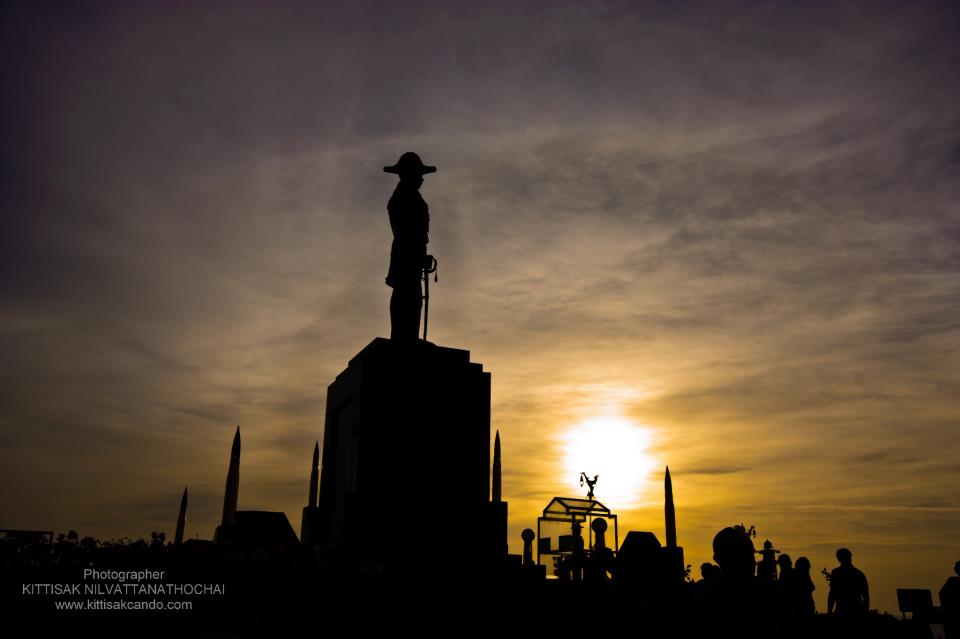
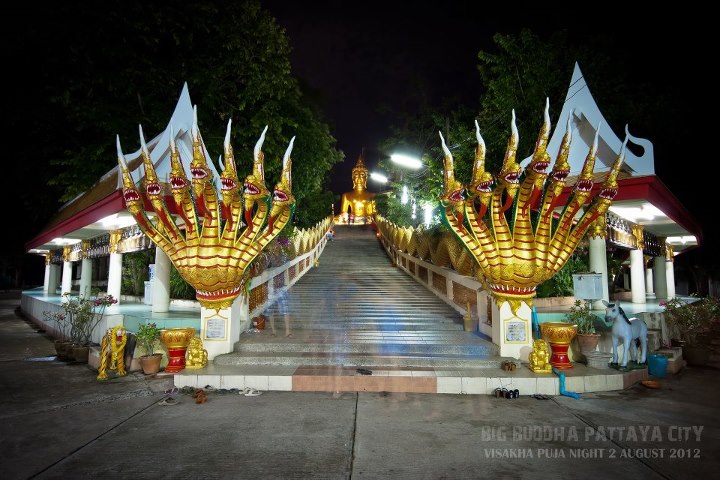
| Pattaya è una città della Thailandia situata nella costa nord orientale del Golfo di Thailandia,a 145 km a sud est di Bangkok.Pattaya è una delle località turistiche più di successo nel mondo con milioni di visitatori ogni anno. In aumento i turisti provenienti dalla Russia e dell'Asia Orientale.La città è situata in una zona molto industrializzata della costa est, tuttavia rimane una città turistica con poche industrie; inoltre, l'economia della città beneficia della relativa vicinanza con Bangkok. Pattaya è seconda solo a Bangkok per altezza di edifici Pattaya era un piccolo villaggio di pescatori finché non è stato riscoperto come località turistica dai residenti di Bangkok negli anni 60. Poco dopo venne usata dai militari americani della United States Air Force di base nella vicina U-Tapao per riposo e "divertimento" causando un grande boom nella prostituzione.Quando gli americani lasciarono la zona al termine della Guerra del Vietnam la città ebbe una flessione nell'economia; tuttavia il moderno turismo di massa, soprattutto quello di uomini single in cerca di compagnia, portò Pattaya a crescere e ad arrivare dov'è oggi. Nel 1976 venne promulgato dal governo centrale il Pattaya City Act, dando molta autonomia di governo locale a Pattaya Pattaya, situata sul golfo di Thailandia, è situata circa a 145 km a sud della città di Bangkok.La città occupa gran parte della costa di Banglamung (uno degli 11 distretti della provincia di Chonburi) comprende ad ovest Naklua Beach e Pattaya beach e la zona della collina del Buddha ad est invece comprende la spiaggia di Jomtien Beach e Dongtan Beach.Le spiagge di Jomtien sono leggermente migliori di quelle di Pattaya e vi è un turismo più familiare. Pattaya ha un clima sempre caldo (mediamente 23 gradi di minima e 30 di massima), diviso in 3 stagioni,asciutto da novembre a febbraio, umido da marzo a maggio, piovoso da giugno ad ottobre. La stagione più gradevole coincide con l'alta stagione turistica, che comprende quindi il periodo di Natale e di Capodanno |
CLICCA PER INGRANDIRE
| PATTAYA vs COVID-19 |
|
Pattaya e il silenzio del Covid
|
|
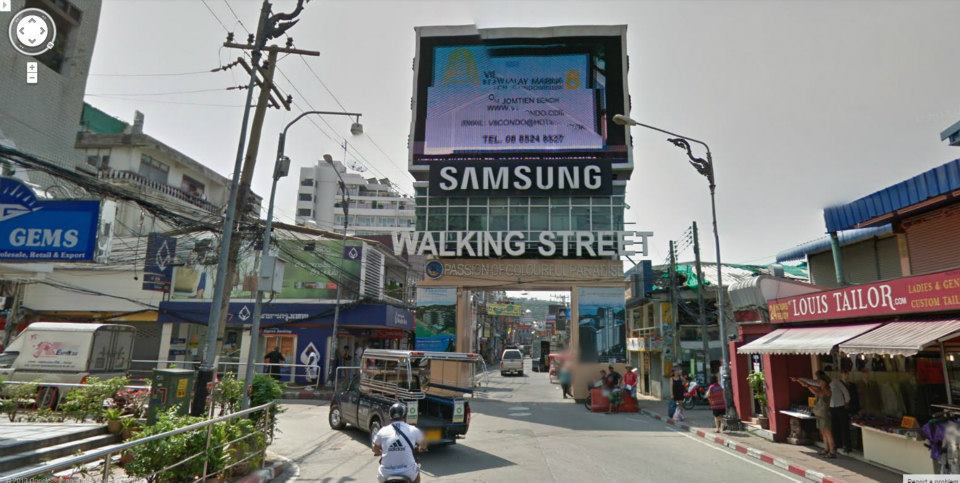
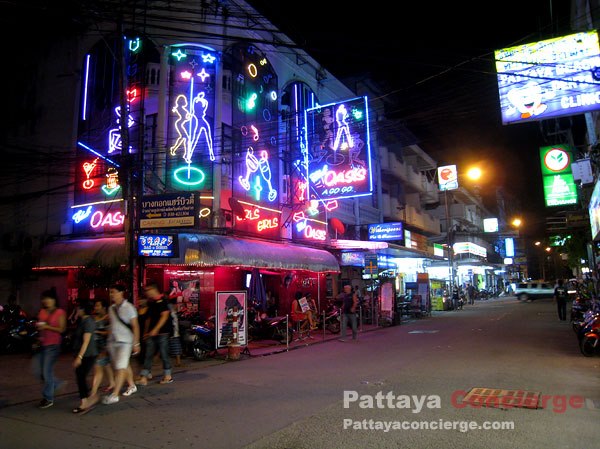
Per decenni Pattaya è stata una città che sembrava non dormire mai. Di giorno il mare, le spiagge e il continuo movimento dei visitatori; di notte un’altra città, fatta di luci al neon, musica, locali aperti fino all’alba e strade sempre animate. Era un luogo dove il tempo sembrava scorrere diversamente, dove ogni sera migliaia di persone arrivavano per vivere un frammento di quell’energia che aveva reso Pattaya famosa in tutto il mondo.Poi, all’inizio del 2020, qualcosa cambiò improvvisamente.La pandemia di Covid-19 si diffuse rapidamente da un continente all’altro e nel giro di poche settimane il mondo si trovò costretto a fermarsi. Frontiere chiuse, voli cancellati, restrizioni ai movimenti. Paesi interi entrarono in lockdown e città normalmente affollate si svuotarono. Anche la Thailandia, fortemente legata al turismo internazionale, adottò misure drastiche.Per Pattaya, il colpo fu particolarmente duro.Questa città, cresciuta negli anni proprio grazie ai visitatori stranieri e alla sua vita notturna, si trovò improvvisamente senza il flusso di persone che l’aveva alimentata per decenni. Nel giro di poco tempo alberghi, bar, ristoranti e discoteche iniziarono a chiudere. Prima temporaneamente, poi per periodi sempre più lunghi.Le strade cambiarono volto.Luoghi che fino a poco tempo prima erano attraversati da una folla continua divennero spazi vuoti. Le insegne luminose si spensero una dopo l’altra. Le serrande metalliche rimasero abbassate per mesi, mentre sulle vetrine comparivano cartelli di vendita o affitto. Molte attività non riuscirono a sostenere il peso di quella lunga pausa e furono costrette a fermarsi.Il cambiamento più impressionante si vedeva nella zona che per anni aveva rappresentato il simbolo della notte di Pattaya.Walking Street, considerata una delle strade della vita notturna più famose del mondo, appariva improvvisamente irriconoscibile. L’arco d’ingresso era sempre lo stesso, ma oltre quel punto si estendeva una strada immersa nella penombra. I locali erano chiusi, le luci al neon spente, le piste da ballo vuote.In passato quella strada era un fiume umano che scorreva fino all’alba: musica proveniente da ogni locale, turisti che camminavano da un bar all’altro, taxi e motorini che attraversavano la notte. Durante il lockdown tutto questo scomparve.Restavano solo i lampioni, qualche motorino parcheggiato e il rumore lontano del mare. Il silenzio, in una città abituata al rumore continuo della notte, sembrava quasi irreale.La stessa atmosfera si ritrovava in molte altre zone della città. Intere strade della vita notturna apparivano improvvisamente vuote. I bar erano chiusi, le sedie impilate, i banconi coperti di polvere. Schermi televisivi spenti nei pub sportivi, palchi vuoti nei locali di musica dal vivo.Per chi conosceva Pattaya da anni, quelle immagini avevano qualcosa di surreale. La città che per tanto tempo era stata sinonimo di movimento continuo sembrava congelata in un tempo sospeso.Dietro quel silenzio c’erano però storie molto reali.Molti imprenditori si trovarono ad affrontare una delle crisi più difficili mai vissute. Attività costruite nel corso di anni si ritrovarono senza clienti e senza prospettive immediate. Lavoratori del turismo, della ristorazione e dell’intrattenimento furono costretti a lasciare la città o a cercare soluzioni temporanee per sopravvivere.Eppure, con il passare del tempo, iniziò a emergere anche un’altra riflessione. In Thailandia il numero reale di casi e soprattutto di vittime rimase relativamente basso rispetto a molte altre parti del mondo. Questo portò diversi osservatori e residenti a ritenere che l’allarme e alcune delle misure più drastiche fossero stati, almeno in parte, sproporzionati rispetto alla reale situazione del paese.Per una città come Pattaya, che vive quasi esclusivamente di turismo internazionale, quelle restrizioni prolungate ebbero effetti economici enormi, probabilmente molto più pesanti dello stesso impatto sanitario della pandemia nel contesto locale.Per un certo periodo Pattaya sembrò davvero trasformarsi in qualcosa di completamente diverso da ciò che era sempre stata. Una città famosa per la sua energia appariva improvvisamente immobile, quasi come una fotografia congelata nel tempo.Eppure, anche in quei mesi difficili, rimaneva una sensazione diffusa: quella che prima o poi la città avrebbe trovato il modo di rialzarsi.Pattaya, nel corso della sua storia, ha sempre dimostrato una grande capacità di adattarsi ai cambiamenti. È una città costruita sulla trasformazione, sulla capacità di reinventarsi e di ricominciare.Quando le restrizioni iniziarono lentamente ad allentarsi e il mondo cominciò gradualmente a riaprire, anche Pattaya iniziò a muoversi di nuovo. Le luci tornarono ad accendersi una dopo l’altra, i locali riaprirono, i turisti ricominciarono ad arrivare.Il ritmo della città tornò lentamente a crescere.Oggi quelle immagini di strade vuote e insegne spente appartengono già alla memoria recente. Sono il ricordo di un periodo difficile che ha segnato profondamente la città e chi la viveva.Solo pochi anni sono passati, ma a molti sembra quasi un’altra epoca.Perché Pattaya, la città delle luci, della musica e delle notti infinite, per un breve periodo ha conosciuto qualcosa che nessuno avrebbe immaginato davvero: il silenzio.E proprio quel silenzio è diventato una delle pagine più singolari e indimenticabili della sua storia |
| Pattaya and the Silence of Covid |
| For decades
Pattaya was a city that seemed never to sleep. During the day there was
the sea, the beaches, and the constant movement of visitors; at night
the city transformed into something else entirely—neon lights, loud
music, bars and clubs open until dawn, and streets always alive with
people. It was a place where time seemed to move differently, where
every evening thousands of visitors arrived to experience the energy
that had made Pattaya famous around the world. Then, at the beginning of
2020, something changed suddenly. The COVID-19 pandemic spread rapidly
from continent to continent, and within a few weeks the world was forced
to stop. Borders closed, flights were canceled, and restrictions on
movement were introduced. Entire countries entered lockdown, and cities
that were normally crowded suddenly became empty. Thailand, heavily
dependent on international tourism, also adopted strict measures. For
Pattaya, the impact was particularly severe. This city, which had grown
over the years thanks to foreign visitors and its vibrant nightlife,
suddenly found itself without the steady flow of people that had
sustained it for decades. In a short time hotels, bars, restaurants, and
nightclubs began to close—first temporarily, then for increasingly long
periods. The streets changed their face. Places that had once been
filled with constant crowds became empty spaces. Neon signs went dark
one after another. Metal shutters stayed down for months, while “for
sale” and “for rent” signs began appearing in many windows. Numerous
businesses were unable to withstand the long interruption and were
forced to stop operating. The most striking change could be seen in the
area that had long symbolized Pattaya’s nightlife. Walking Street, often
considered one of the most famous nightlife streets in the world,
suddenly became almost unrecognizable. The large entrance sign still
stood there, but beyond it stretched a street wrapped in dim light and
silence. The venues were closed, neon lights turned off, and dance
floors left empty. In the past that street had been a human river
flowing until sunrise—music pouring out of every club, tourists moving
from bar to bar, taxis and motorbikes passing through the night. During
the lockdown all of that disappeared. Only streetlights remained, a few
parked motorbikes, and the distant sound of the sea. The silence, in a
city used to the constant noise of nightlife, felt almost unreal. The
same atmosphere could be seen in many other parts of the city. Entire
nightlife streets suddenly appeared deserted. Bars were closed, chairs
stacked, counters covered with dust. Television screens in sports bars
were dark, and stages in live-music venues stood empty. For those who
had known Pattaya for years, the images felt surreal. A city that had
always symbolized movement and energy now looked frozen in time. Behind
that silence were many real stories. Business owners faced one of the
most difficult crises they had ever experienced. Establishments built
over many years suddenly had no customers and no clear prospects.
Workers in tourism, hospitality, and entertainment were forced to leave
the city or search for temporary ways to survive. At the same time, as
months passed, another reflection began to emerge. In Thailand the
actual number of cases—and especially deaths—remained relatively low
compared with many other parts of the world. For this reason, some
residents and observers later felt that the level of alarm and certain
restrictive measures had been excessive in relation to the real
situation in the country. For a city like Pattaya, whose economy depends
almost entirely on international tourism, the prolonged restrictions had
enormous economic consequences—likely far greater than the direct health
impact of the pandemic in the local context. For a period of time
Pattaya seemed to transform into something completely different from
what it had always been. A city famous for its constant energy appeared
suddenly motionless, almost like a photograph frozen in time. And yet,
even during those difficult months, there was a shared feeling that
sooner or later the city would find a way to rise again. Throughout its
history Pattaya has always shown a remarkable ability to adapt to
change. It is a city built on transformation, reinvention, and the
capacity to start over. When restrictions gradually began to ease and
the world slowly reopened, Pattaya also began to move again. Lights
turned back on one by one, venues reopened, and tourists slowly
returned. The rhythm of the city started to grow once more. Today those
images of empty streets and dark signs already belong to recent memory.
They remain a reminder of a difficult chapter that left a deep mark on
the city and on the people who lived through it. Only a few years have
passed, yet for many it already feels like another era. Because
Pattaya—the city of lights, music, and endless nights—for a brief moment
experienced something few could ever have imagined: silence
|
| LOCKDOWN 17mar20 |





.jpg)